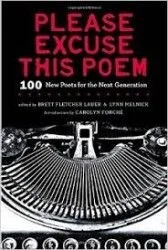
Forché at Fifteen and Fifty
I was only fourteen, however, when I first encountered Carolyn Forché. Here’s how I remember it . . .

A New Risset Poem
“Look” showcases some of the recurrent themes of Risset’s poetic and intellectual work: the desire to collapse the distances between self and other and between thought and feeling, as well as her tendency to spatialize the mind through metaphor.
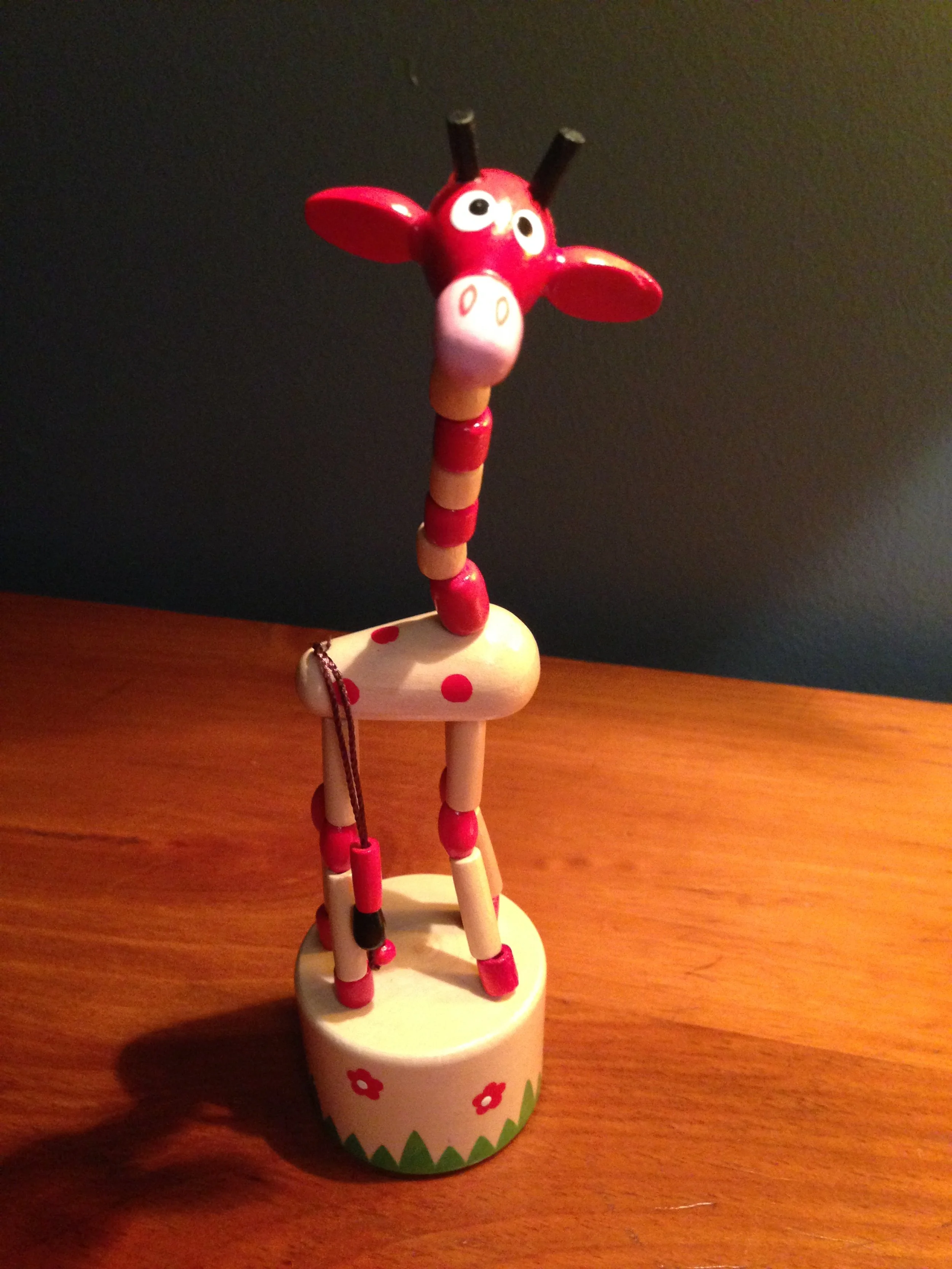
That Obscure Object
Which leads me to wonder, how many other “clear images” have I written with nary more than a nod to some past sense-experience with an object now totally obscure?

The Poetics of Letters
A correspondence continued over many years with the same person allows for the slow development of aesthetic ideas in an environment of trust, trust built via subsequent confessions, the sharing of ideas, and yes, texts.

Rituals and Respects
The liturgies of poetry, one might call them: pilgrimages, offerings, silence, ceremonious readings in significant places, benedictions, and genuflections. The material book, from codex to paperback, seems to encourage ritualistic behavior: the slow unrolling or turning of pages, a treasure of magical knowledge waiting to be released.

Author Function
The whole charade surrounding the “grandiosity of authors” just makes me embarrassed. I realize that the Miami Book Fair hopes to promote literary culture in part by treating authors as stars—but as Foucault articulated, the Author Function does not come about by an act of “spontaneous attribution”— such as hanging a tag with the word “author” around the neck of a poet.

On Signing and Selling Books
For the poet, nothing makes the “herte” full suddenly “gan to colde” than encountering a warmly signed copy of one’s own book not where or when expected, in a used bookstore, or perhaps even on the shelves of someone other than the dedicatee.